Choosing the Right Asphalt Contractor: Tips for Quality Pavement Solutions
Selecting the appropriate asphalt contractor is vital for achieving long-term pavement solutions. A skilled contractor not only delivers durability but also adheres to industry standards and safety regulations. Several factors contribute to this decision, from validating credentials to understanding estimates. Maintaining clear communication can additionally strengthen the selection process. However, recognizing where to start can be intimidating. What steps should one prioritize to ensure a successful partnership?
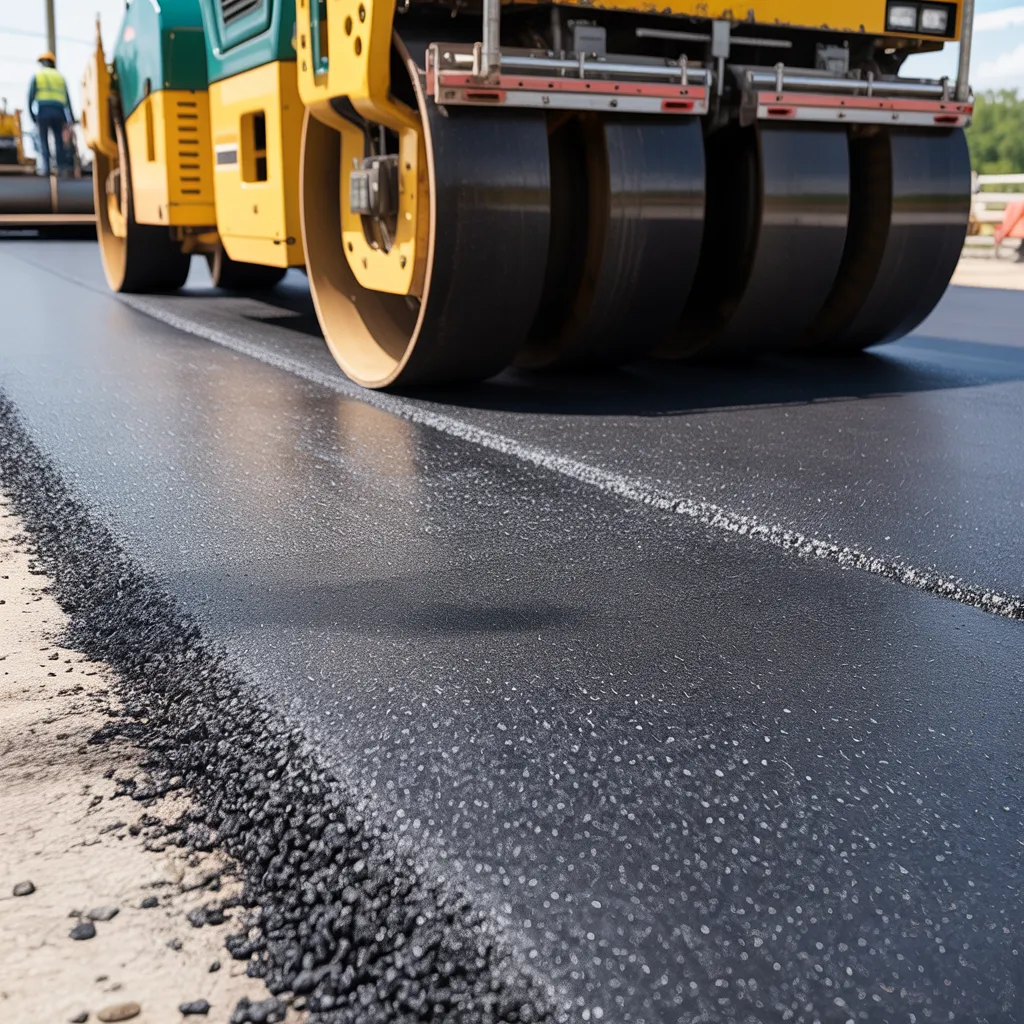
Recognizing the Value of Choosing a Skilled Asphalt Contractor
When planning a paving project, recognizing the value of selecting a skilled asphalt contractor is essential. A skilled contractor not only guarantees the proper installation of asphalt but also promotes the longevity and safety of the pavement. Superior materials and specialized techniques are fundamental in minimizing concerns such as cracking and surface breakdown. Furthermore, an experienced contractor is likely to follow industry standards, enhancing overall project efficiency.
Additionally, a trusted contractor will offer precise estimates and schedules, allowing clients to organize their projects efficiently. Their knowledge can also assist in selecting the right materials suited for specific environmental conditions. In addition, hiring a competent contractor can lead to better communication throughout the project, preventing costly misunderstandings. At the end of the day, investing time in choosing the right asphalt contractor can yield considerable savings over time, guaranteeing a long-lasting and visually appealing pavement solution that meets the project's demands.
Critical Attributes of a Reputable Asphalt Contractor
A reputable asphalt contractor showcases several key qualities that make them stand out in the industry. First, they hold years of industry expertise, which highlights their skill to manage a wide range of projects successfully. This knowledge often results in outstanding quality of work and a solid knowledge of materials and methods.
Moreover, a trustworthy contractor focuses on effective communication, ensuring learn more that clients are kept in the loop throughout the project's progress. They offer complete estimates, timelines, and are available for addressing any questions or concerns.
Moreover, a dedication to premium materials is essential; established contractors procure high-grade asphalt and associated materials to provide long-lasting results. They also adhere to safety standards and regulations, protecting both their team and their client's premises.
Ultimately, an established track record, reinforced by glowing reviews and customer feedback, clearly demonstrates a contractor's dependability. These attributes collectively contribute to making a knowledgeable selection when selecting the right asphalt contractor for pavement solutions.
How to Find Qualified Asphalt Contractors
Finding qualified asphalt contractors necessitates a detailed review of their background and skills. It is important to seek references and review their completed projects to confirm high-quality results. By adhering to these guidelines, property owners can choose a contractor with confidence.
Check Credentials And Experience
Confirming credentials and experience is vital for hiring a competent asphalt contractor. Potential clients should start by verifying that the contractor possesses the required licenses and certifications mandated by local and state guidelines. This ensures that the contractor adheres to industry standards and established practices. Furthermore, examining the contractor's background in different asphalt projects can offer valuable insights into their skill and dependability. Contractors who have demonstrated consistent success in past projects are typically more capable of managing difficulties that might emerge during the work. Furthermore, inquiring about any specialized training or ongoing education in asphalt technology can further indicate a contractor's commitment to quality work. Overall, thorough verification helps in making an informed decision, reducing risks associated with paving projects.
Inquire About References
Upon verifying the contractor's certifications and track record, the subsequent step entails asking about references. This essential practice allows future clients to evaluate the contractor's consistency and standard of work. A credible asphalt contractor should easily supply a list of former clients who can attest to their services. It is wise to connect with these references individually to ask about their encounters, focusing on elements like timeliness, professionalism, and overall satisfaction. Raising detailed questions can provide helpful information, helping to confirm whether the contractor fits the project's needs. Moreover, examining online reviews and feedback can better support the selection process. Ultimately, comprehensive background verifications contribute to choosing a skilled professional for excellent pavement work.
Examine Previous Work
How can one effectively gauge the abilities of an asphalt contractor? Assessing completed jobs is fundamental to making this determination. Potential clients should request to see a portfolio showcasing completed jobs, revealing the contractor's skill level and commitment to excellence. Examining a range of project types, from private driveways to large commercial lots, offers valuable perspective on their range of expertise and adaptability. An on-site inspection of finished projects, where possible, enables a direct assessment of the pavement's condition and durability. Moreover, obtaining references and reviews from former customers about the contractor's past performance provides valuable insights into their dependability and professional conduct. At the conclusion of this process, a detailed assessment of completed work enables a confident and informed hiring decision.
Essential Questions to Ask Your Asphalt Contractor?
When choosing an asphalt contractor, it is crucial to pose specific questions that reveal their experience and qualifications. Moreover, being aware of the anticipated schedule and pricing can help confirm the project aligns with your goals. Covering these important aspects can lead to a well-considered selection and a more efficient installation experience.
Background and Qualifications
Selecting an asphalt contractor requires careful consideration of their qualifications and experience. Those seeking services should look into the contractor's time in the business, as significant experience often correlates with dependable work quality. Additionally, learning about the variety of past projects undertaken can provide insight into the contractor's capabilities. Prospective customers should seek information regarding any certifications or training the contractor or their crew has completed, as these qualifications can improve the quality of the work performed. Seeking testimonials from former clients can additionally confirm the contractor's reliability and reputation. In the end, a contractor with a demonstrated history of successful projects and satisfied customers is better positioned to provide premium asphalt services tailored to specific needs.
Project Timeline and Costs
Understanding the timeline of the project and corresponding costs is crucial for clients seeking asphalt services. To ensure clarity, clients should request information on the estimated duration of the project, including possible setbacks due to material availability or weather conditions. Additionally, it is important to request a comprehensive overview of costs, including labor, materials, and any additional fees. Clients should also review payment schedules and the contractor's approach to unforeseen expenses. By recognizing these factors, clients can more effectively gauge the value of the services offered and make informed decisions. Moreover, establishing clear communication about timelines and costs fosters trust between clients and contractors, ultimately leading to a more seamless project outcome.
Understanding Asphalt Estimates
How can one effectively interpret an asphalt estimate? Understanding the components of an estimate is important for making informed decisions. Generally, an asphalt estimate includes material costs, labor fees, and extra charges such as equipment rental and site preparation. All items should be explicitly detailed, making it simple to compare estimates from multiple contractors.
A thorough proposal outlines information about the asphalt type, depth, and any necessary prep work, such as grading, leveling, or drainage solutions. This transparency enables customers evaluate the quality of materials proposed and the thoroughness of the contractor's methods.
Moreover, it is essential to think about the expected duration for finishing the work, as delays can lead to additional financial burdens. Homeowners should likewise seek information on written guarantees or protections outlined in the proposal, as these can reveal the contractor's trust in their craftsmanship. All things considered, a properly organized estimate stands as a critical resource for assessing asphalt contractors under consideration successfully.
Identifying Red Flags in Asphalt Contractors
What signs should one look for when vetting asphalt contractors? Several red flags may indicate potential issues in hiring a contractor. First and foremost, the absence of a physical business address or a professional website may indicate instability or a lack of experience. Moreover, if the contractor is unwilling to provide references or past project samples, caution is warranted.
Another concern arises when a contractor requires total payment before work begins, as this can indicate a questionable level of integrity. Moreover, ambiguous or imprecise estimates may indicate concealed expenses that could inflate the project budget.
Ultimately, being pressured to sign a contract hastily is a significant red flag; reputable contractors allow clients time to make informed decisions. By staying alert to these red flags, homeowners can more effectively manage the contractor selection process and sidestep common hazards in their asphalt work.
Strategies for Communicating Effectively With Your Contractor
Establishing clear communication is vital for a strong working relationship with an asphalt contractor. First, clients should articulate their project expectations, deadlines, and budget from the onset. Such openness allows the contractor to deliver precise estimates and schedules. Frequent updates are crucial; clients should organize discussions to monitor progress and handle any problems. Keeping communication channels open builds trust and ensures that both parties remain on the same page.
Moreover, clients ought to document all agreements and changes in writing, which can prevent misunderstandings later. Employing visual tools, like diagrams or photographs, may also add greater clarity. Asking questions and seeking clarification on technical terms or processes is highly beneficial for clients. An attentive contractor will value this level of engagement and is more likely to produce quality results. Ultimately, effective communication can lead to a smoother project experience and a finished product that meets the client's expectations.
Common Questions and Answers
What Kinds of Asphalt Services Are Typically Offered by Contractors?
Contractors typically offer a range of asphalt-related services, including installation, repair, resurfacing, sealing, and striping. These solutions are designed for various needs, guaranteeing adequate upkeep and durability of asphalt pavements for commercial and residential properties.
How Long Can Asphalt Pavement Be Expected to Last?
Asphalt pavement generally has a lifespan of 15 to 20 years, influenced by elements such as environmental conditions, road usage, and maintenance habits. Consistent maintenance can prolong its service life, guaranteeing optimal function and aesthetics throughout the years.
Can I Pave Over Existing Asphalt?
Paving over existing asphalt is indeed possible, given that the base surface is in a sound condition. Adequate preparation, which involves cleaning and addressing cracks, is vital to guaranteeing the new layer bonds securely and delivers lasting results.
Which Weather Conditions Impact Asphalt Installation?
Weather plays a significant role in asphalt installation. Ideal temperatures range from 50°F to 90°F. Wet conditions, intense heat, or cold weather can interfere with adhesion and curing, possibly causing cracks or insufficient bonding, ultimately affecting pavement quality.
How Can I Maintain My Asphalt Pavement Effectively?
To keep asphalt roads properly, regular sealing, timely crack repairs, adequate drainage, regular cleaning, and limiting heavy loads are essential. These practices improve durability, prevent damage, and increase the lifespan of the surface.